Working: Mon - Sat: 9.00am - 6.00pm

Mechanical Project

Mechanical Engineering Project

Design and analyze mechanical systems with a focus on efficiency, sustainability, and real-world applications. This standard project is suitable for students, researchers, and professionals in the field of mechanical engineering.

Conducted under Texaaware Software Solutions, the project includes CAD modeling, thermal analysis, structural analysis, and optimization techniques using industry-standard software.

Objectives: Develop and optimize mechanical systems for industrial applications.
Problem Statement: Mechanical systems often face inefficiencies due to poor design and lack of optimization.
Significance: This project aims to improve mechanical efficiency, reduce energy consumption, and enhance performance.
Technologies Used: SolidWorks, ANSYS, CATIA, MATLAB, AutoCAD.

Project Methodology
Requirement Analysis and Conceptual Design
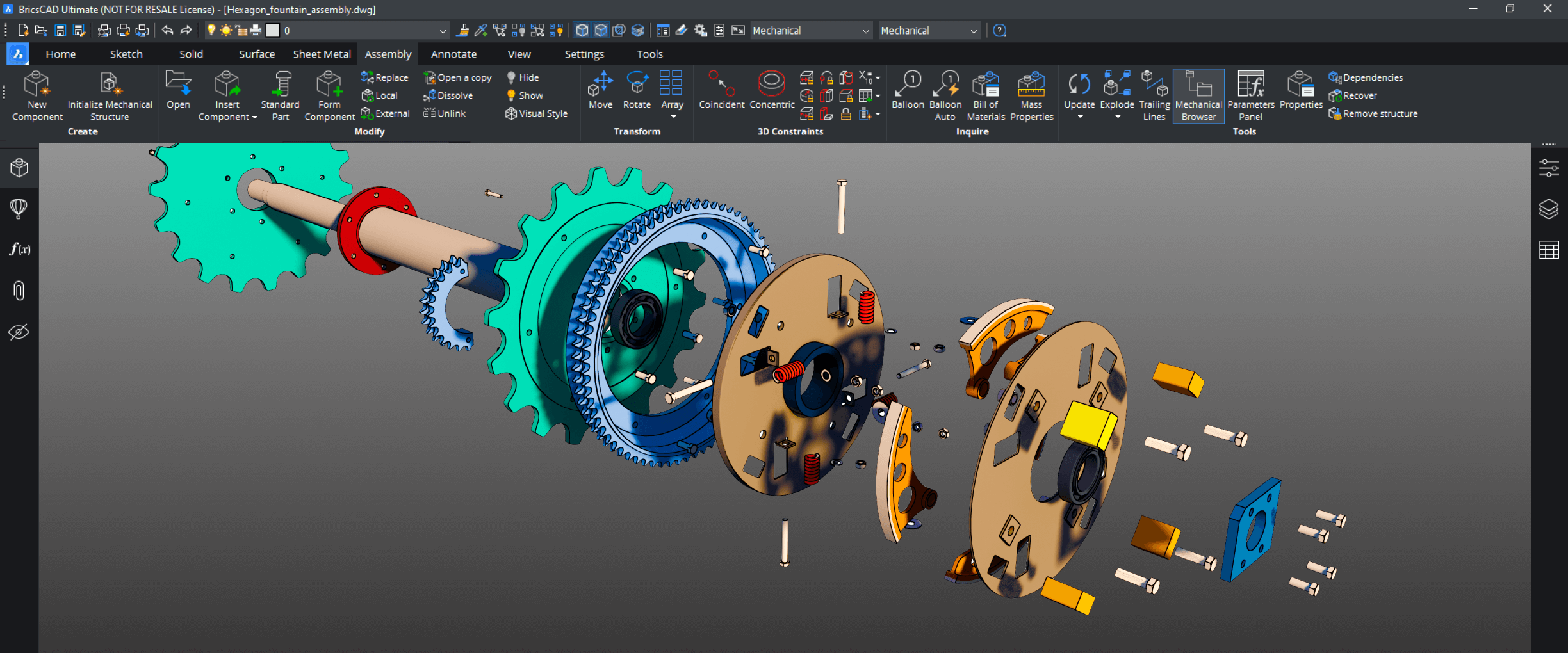
3D Modeling in CAD software
Thermal & Structural Simulation
Design Optimization
Prototype Testing & Reporting
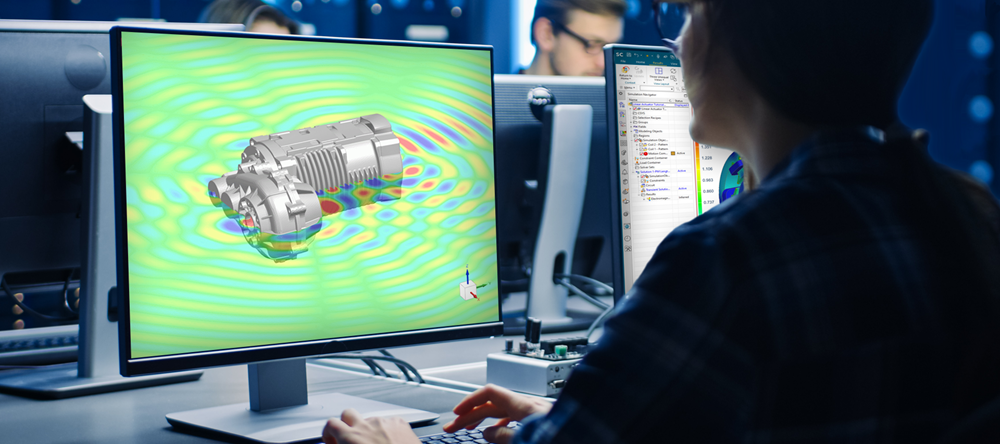
Mechanical Design
Mechanical Simulation

Key Highlights

CAD Modeling & Assembly Design
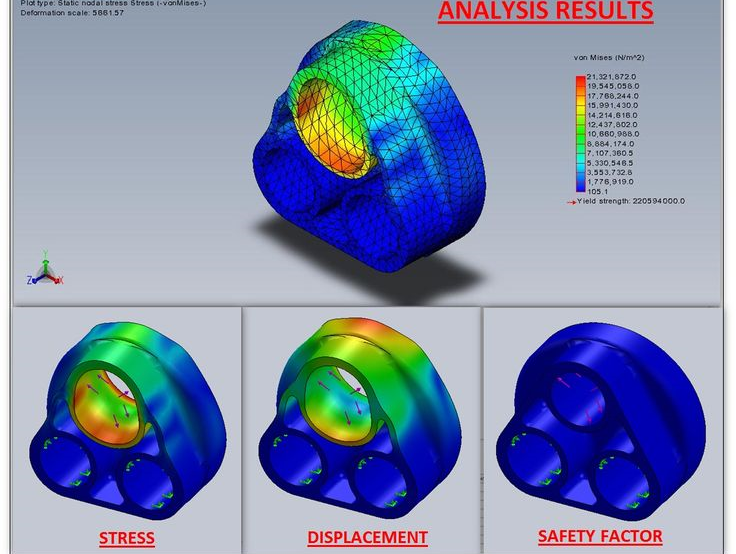
Thermal and Stress Analysis
Optimization Techniques
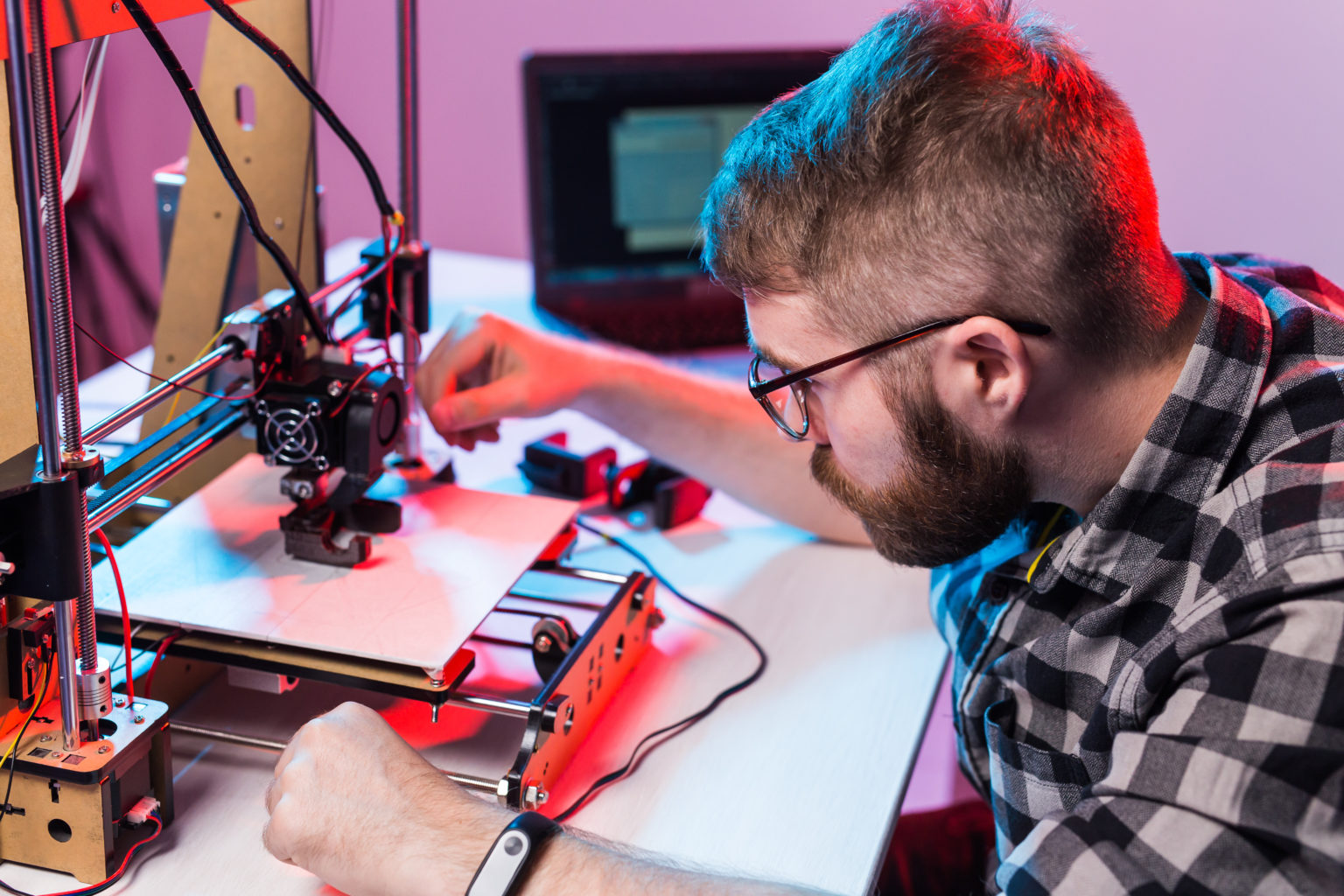
Prototype Fabrication
IEEE-standard Documentation & Reporting

Project Results

Mechanical Analysis Result
Mechanical Prototype

Learning Outcomes

  • Practical CAD modeling & simulation skills
  • Thermal and structural analysis expertise
  • Design optimization & efficiency improvement
  • Prototype development experience
  • Preparation for IEEE-standard project submissions
Expert Insights
  • Understand mechanical system design principles
  • Gain experience with simulation tools
  • Learn optimization techniques
  • Improve prototype fabrication skills
Industry Use Cases
  • Automotive component design
  • Thermal system optimization
  • Aerospace system simulation
  • Industrial equipment prototyping
Tools & Technologies
  • SolidWorks, CATIA
  • ANSYS, MATLAB
  • AutoCAD
  • Simulation Software
Challenges & Solutions
  • Complex assemblies – resolved using parametric modeling
  • Thermal stress issues – addressed with simulation
  • Prototype errors – improved design iterations
  • Optimization constraints – solved using MATLAB analysis